How it works at Accesschannel

From first step
to stage presence

Each lecture builds on the last. You move through ballet history, technique, and performance analysis at your own pace — no rushing, no skipping ahead by accident.

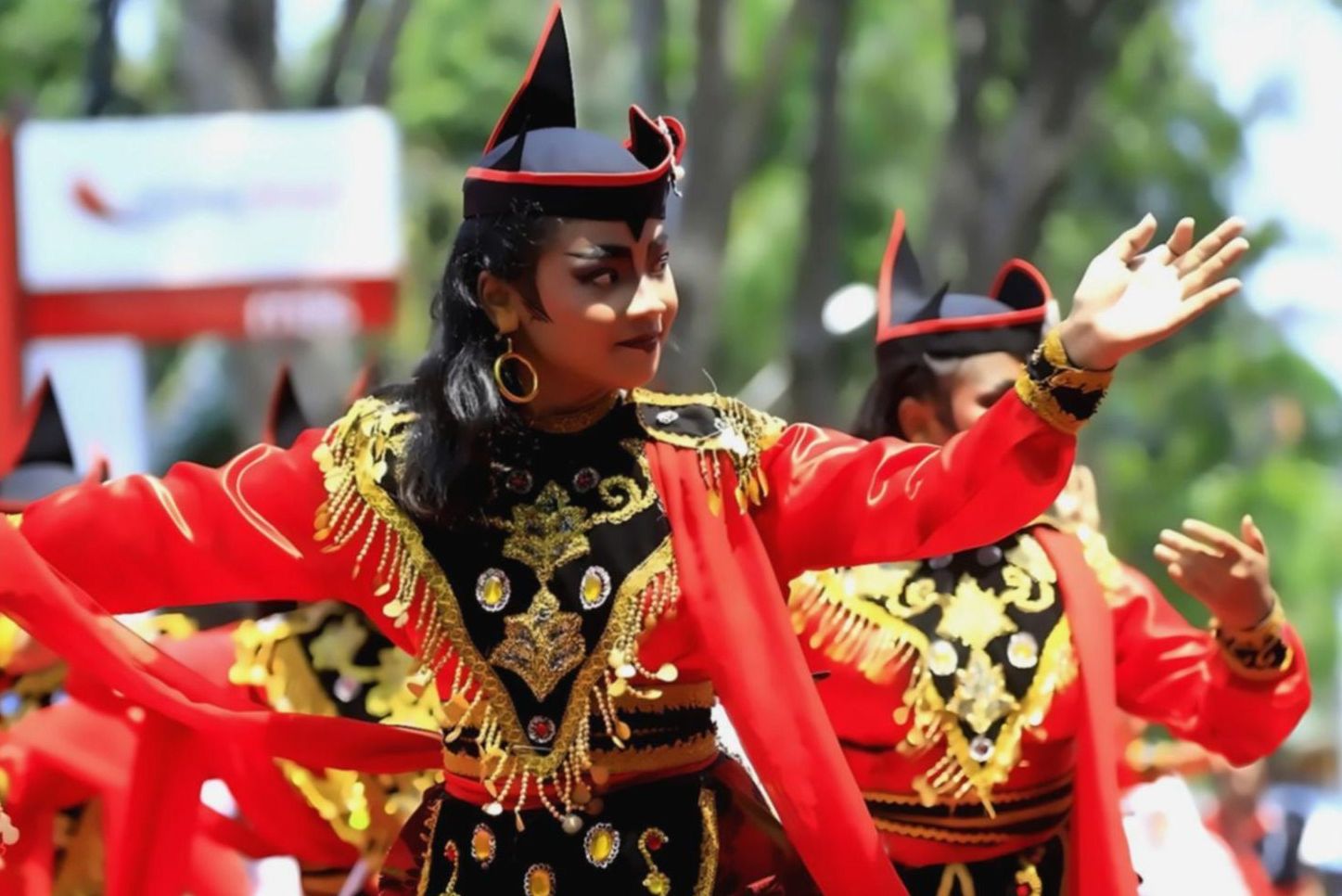
Ballet lecture session showing detailed movement analysis on screen

The learning sequence

The structure here isn't arbitrary. Ballet is a discipline built on sequence — you can't understand a grand allegro without knowing what a plié does to the body first. Each phase in this programme follows that same logic: grounding before complexity, observation before analysis, context before critique. Most people who drop out of online learning do so because they can't see where they are in the journey. This layout makes that clear at every point.

02

Foundation lectures

History and vocabulary

The first module covers ballet's development from 15th-century Italian court entertainment through to the Ballets Russes. You'll also build the vocabulary needed to talk about what you're watching — port de bras, épaulement, and the rest.

03

Close reading

Watching with intention

Recorded performances are broken into short clips — usually under 4 minutes. You watch, then listen to a detailed commentary that explains what's happening technically and expressively. Then you watch again. The difference is noticeable.

04

Contextual study

Music, design, and meaning

Ballet doesn't exist in isolation. These lectures look at how composers, set designers, and choreographers negotiate with each other — and how those negotiations shape what ends up on stage. Petipa and Tchaikovsky is one case study; Forsythe and Thom Willems is another.

05

Applied analysis

Reading a full work

By this point you have enough to sit with a complete ballet — say, a 2-hour production of Giselle — and track what's happening structurally, dramatically, and technically. There's a guided listening guide for each full-length work covered.

06

Reflection

Consolidating what you know

The final phase isn't an exam. It's a short written reflection — optional but encouraged — where you describe a performance you've watched (live or recorded) using what you've learned. Many people find this the most useful part.

What participants notice

These are people who came in with different starting points — one had danced recreationally for years, the other had never seen a live performance. Both found the sequential structure useful for different reasons.

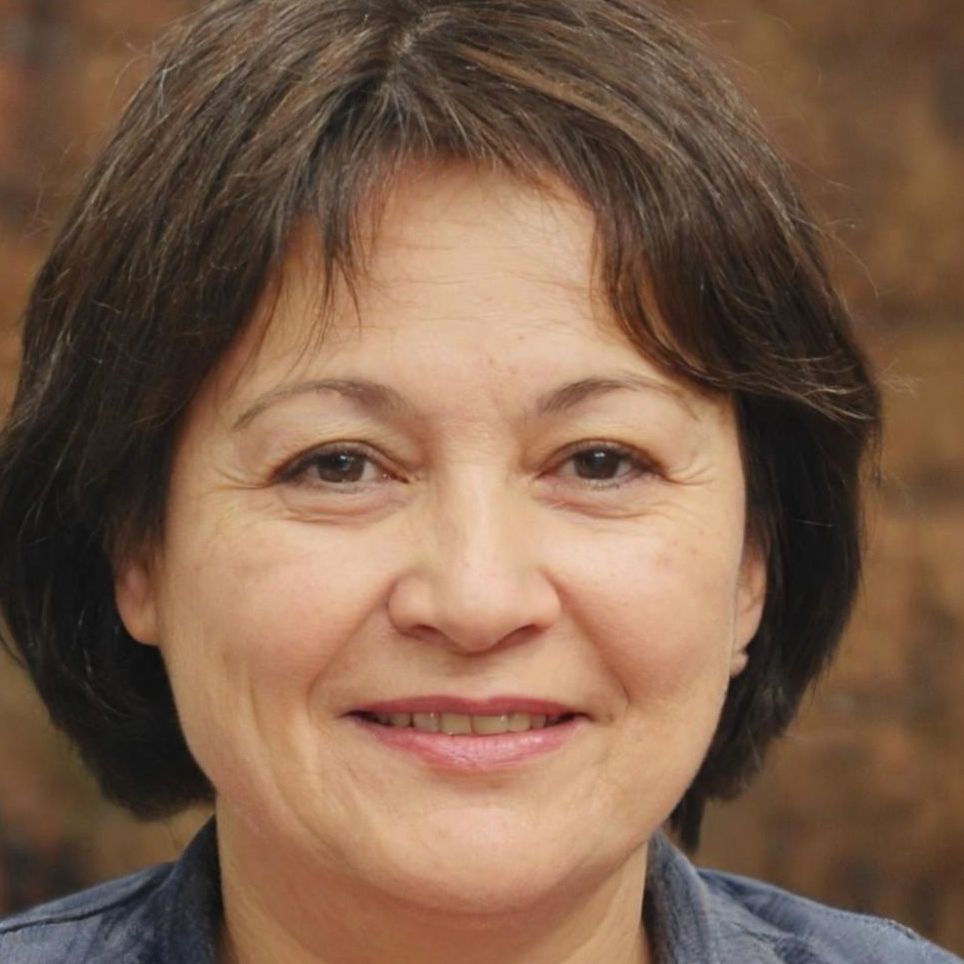
Portrait of Brigitte Okafor
Brigitte Okafor Recreational dancer, Newcastle

I'd been dancing for about eight years but never had the language to describe what I was doing or watching. The vocabulary module alone changed how I talk about class with my teacher. The rest built on that in ways I didn't expect.

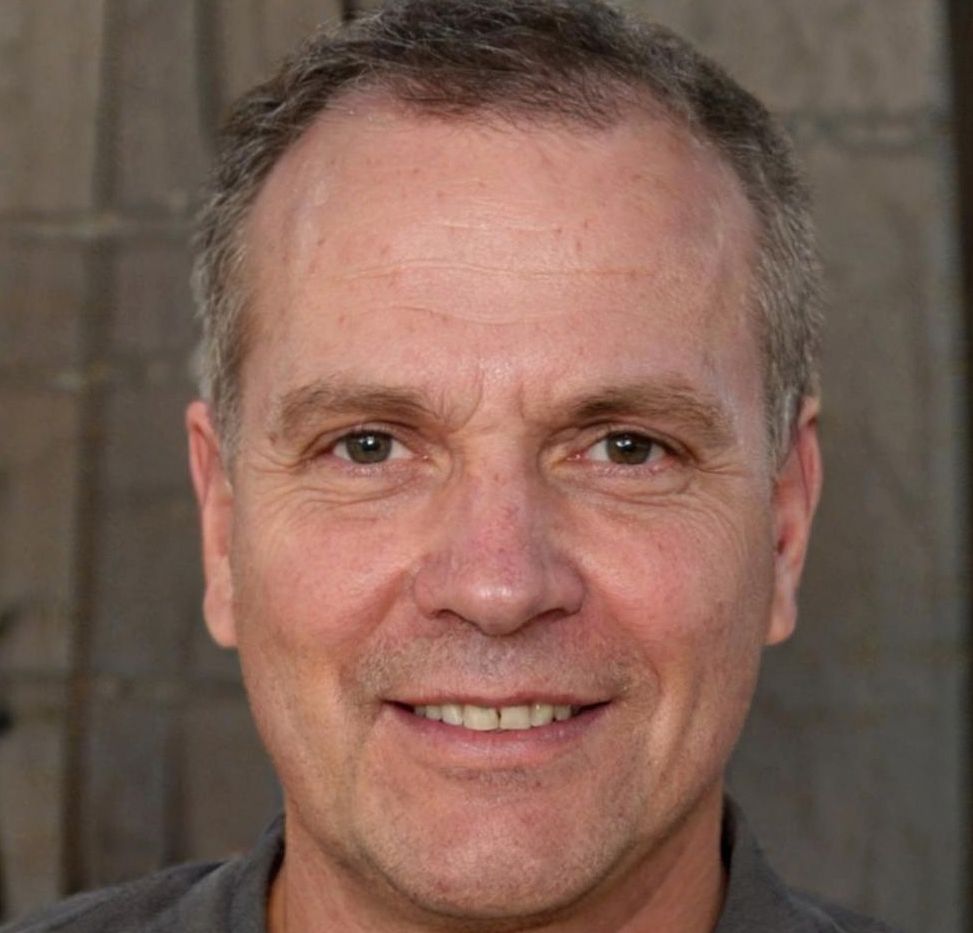
Portrait of Tomasz Wierzbicki
Tomasz Wierzbicki First-time ballet viewer, Hunter Valley

My partner dragged me to Swan Lake last winter and I was completely lost. I did this programme afterwards and watched a recording of the same production — it was like watching a different show. The close-reading format genuinely works.

Ready to see the programme in full?

View learning programme